BBC Three and BBC Scotland TV channels to be shut down next year
Television channels BBC Three and BBC Scotland are to close and the Radio 4 Extra radio station will be scrapped, as part of the corporation’s drive to cut £500m in costs.
Both TV channels are to move online as executives try to plug a funding crisis and adapt the broadcaster’s output for audiences that increasingly watch content on demand. All three outlets will close in the spring.
Matt Brittin, the BBC’s director general, said the corporation needed to “make every pound work harder for audiences as we respond to the immediate cost pressures and reinvent the BBC for a changing world”. He added: “We all know that means tough choices.”
A further 100 jobs will also be cut at BBC News to save £5.5m. However, the department’s new director, Rachel Jupp, warned staff that its £51m cuts target could yet increase as a result of the broadcaster’s funding crisis.
Even with the channel closures, which come on top of other cuts already announced, BBC insiders said the corporation was not even half way to meeting its £500m target.
Only about £200m has been cut so far, suggesting even more controversial cuts will have to be made over the next year to plug the funding gap.
It marks the second time that BBC Three’s linear TV channel has been closed, having been moved online in 2016 but brought back in 2022.
The Guardian revealed this month that the channels were likely to be axed.
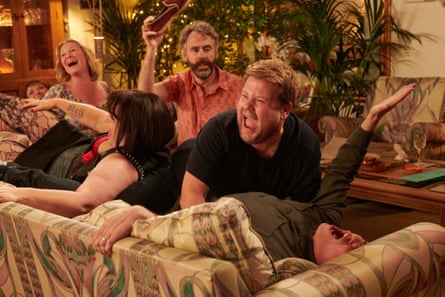
BBC Three, which is aimed at young audiences, launched shows including Gavin and Stacey, Fleabag and Killing Eve. However, it was an obvious candidate to move online and have more of its content placed on YouTube, where younger audiences have migrated. Typically, about 4% of the UK population watch the channel live in a week.
The BBC promised there would be increased investment in content for younger audiences. It has already cancelled the high-profile BBC Three show RuPaul’s Drag Race UK.
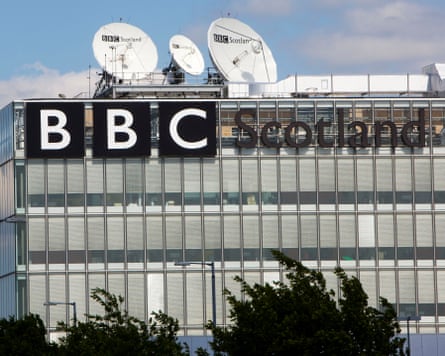
BBC Scotland’s viewership was seen as too low to justify the cost of keeping it on air, with its digital audience increasing via the BBC’s iPlayer. Its content will also be available on BBC One and BBC Two in Scotland.
The decision to close Radio 4 Extra came after it was decided much of its content could be accessed digitally, via the BBC Sounds app. The station reached an audience of 1.4 million a week, according to the most recent Rajar data.
There has already been severe internal criticism from BBC staff over where the cuts are being made.
BBC executives have said they planned to safeguard content that fulfilled its duty to produce programming for everyone. However, many staff now fear that the BBC is targeting public service content that commercial rivals would never replicate.
There has been increasing disquiet over the decision to axe BBC Radio 4’s The World Tonight after more than 50 years. Consumer affairs show You and Yours is one of a number of fellow Radio 4 shows going, to be replaced by a new format.
Some of the BBC’s freelance foreign correspondents have also been cut, while the number of local correspondents across Britain is being reduced, with those still in post asked to become general reporters rather than specialists. Meanwhile, the BBC’s local radio output is being made more regional.
The BBC has also faced a backlash from politicians, as well as from the staff and crew of its flagship radio drama The Archers, after a decision not to build a planned radio drama studio for the show in its new Birmingham headquarters.
The vast majority of staff accept that the corporation is under financial strain and needs to modernise in an age of streaming and digital platforms consumed over a smartphone.
However, morale has been hit by the time it has taken to drip out the cuts, while others believe the cuts will result in the BBC replicating too much content similar to that on commercial networks.
In a note to staff, Brittin said: “We would all prefer immediate certainty. However, it unfortunately takes time to develop proposals that ensure we focus scarcer resources on the shows, stories and services that can have the biggest impact.”
Further major changes to BBC News are still to come, but have been delayed to allow Jupp to draw up her strategy for the newsroom. She has been tasked with boosting BBC News on digital platforms such as YouTube and TikTok, as well as the BBC’s own apps and iPlayer.
Philippa Childs, the head of the Bectu union, said the latest cuts and channel closures were “in danger of causing irreparable damage to the BBC and will do yet more harm to the morale of its employees”.
“The continued drip-feed of planned job and output cuts is putting increasing pressure on an already bruised workforce at the BBC,” she said.
The BBC is having to make the cuts as a result of its serious financial challenges, with its cash revenues falling at an alarming rate over the last year. Brittin has said he was not fully aware of the pressures when he took the job earlier this year.
One BBC insider said the corporation was “taking an axe to so much content that is unmatched by the commercial sector”.
“The pace of this change appears to be accelerating,” they said. “I think there is a very credible threat that there will be an increase in people choosing to opt out of the licence fee because it no longer does them a service. The doom spiral continues.”